FORENSIC PATHOLOGY
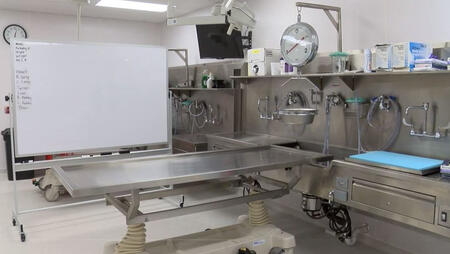
Forensic Pathologists, or Medical Examiners, are physicians responsible for investigating sudden, suspicious, or violent deaths. Forensic Pathologists are responsible for declaring death, investigating the deceased’s medical history and conducting an autopsy in order to come to a conclusion about the cause and manner in which someone died. They’re trained in analyzing the body’s tissues, organs, and fluids and often will testify in court as expert witnesses.
EDUCATION REQUIREMENTS
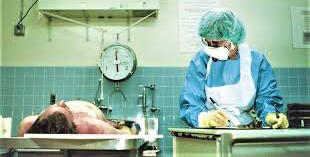
Forensic Pathologists must receive a medical degree, or a PHD, and then complete specialized training in Forensic Pathology, which takes approximately four years, followed by fellowship / residency training for around a year. After all of this, they must complete an examination and become board certified in order to practice Forensic Pathology. Often, Forensic Pathologists are appointed by a local Chief Medical Examiner.
ROLE IN FORENSICS
In criminal cases, Forensic Pathologists are responsible for carrying out a full
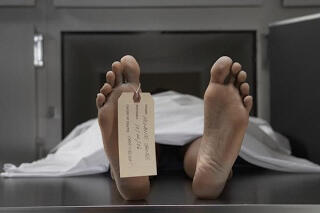
medical examination of the deceased and reporting their findings in an autopsy report. This is integral to solving murders and suicides. Forensic Pathologists may also do rape kits / sexual assault examinations. Additionally, their testimony in court can be very important when it comes to getting a proper conviction.
EXAMPLE OF USAGE
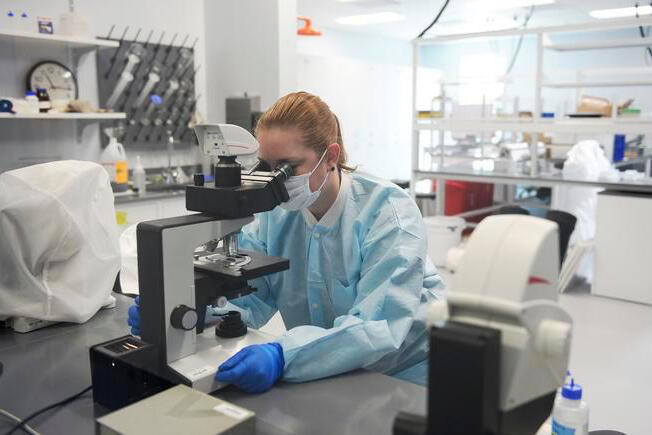
In many cases, forensic autopsies are crucial in figuring out what exactly occurred to lead to death. For example, in one case, a seemingly healthy toddler became unresponsive and died. There was seemingly no sensible explanation for the child’s death, so an autopsy was ordered. The M.E. examining the body found no outward signs of injury, nor were there any fractures or signs of abuse within an x-ray. However, this did not rule out foul play, because a toddler’s tissues and bones are so elastic that injuries from abuse would not leave any clear marks. After doing a full examination of the organs, he still found nothing unusual- there was still no explanation. The last step was to examine the brain. The M.E. peeled the scalp from the skull, and finally, there was a piece of evidence- contusion marks on the skin, but this still didn’t rule out anything. Because of this, tissue samples were collected from internal organs, which ended in the discovery of iron pigment in the lungs’ air sacs, which led the M.E. to conclude that the cause of death was repetitive asphyxiation, and investigation with a caregiver confirmed this. Without forensic pathology, this case would never have been solved.
WORK CITED
“Autopsy Pathology.” UT Southwestern Medical Center, www.utsouthwestern.edu/education/medical-school/departments/pathology/diagnostic-subspecialties/anatomic-pathology/autopsy.html.
Buti, Brittney. “Forensic Pathologist to Serve Eight Northern Michigan Counties Stationed in Big Rapids.” WPBN, WPBN, 28 Feb. 2019, upnorthlive.com/news/local/forensic-pathologist-to-serve-eight-northern-michigan-counties-stationed-in-big-rapids.
EduTech, MediSys. “Online Medical Courses in Pathology.” 2017, 1 Jan. 1970, onlinemedicalcoursesinpathology.blogspot.com/2017/?m=1.
“Forensic Pathology - Millennium Forensic Science.” Google Sites, sites.google.com/a/aguafria.org/verrado-forensic-science/home/pathology?overridemobile=true.
Spencer, Suzy. “A Retired Medical Examiner on One of His Most Unusual Autopsies.” A&E, 31 July 2018, www.aetv.com/real-crime/medical-examiner-autopsy-murder-shocking-surprising-unusual-cases.
“What Is a Medical Examiner?” How to Become a Crime Scene Investigator, www.crimesceneinvestigatoredu.org/medical-examiner/.
Writers, Discovery Fit and Health. “10 Things to Know About Forensic Medicine.” HowStuffWorks, HowStuffWorks, 7 Sept. 2012, health.howstuffworks.com/diseases-conditions/death-dying/10-things-to-know-about-forensic-medicine.htm.
Vaccarelli, Joe. “Officials Say New CBI Crime Lab Will Make Analysis More Efficient.” The Denver Post, The Denver Post, 25 May 2016, www.denverpost.com/2016/05/25/officials-say-new-cbi-crime-lab-will-make-analysis-more-efficient/.